The question do I need a website remains critical for business owners and entrepreneurs in 2026. With 97% of consumers using the internet to find local businesses and services, your digital presence determines whether potential customers find you or your competitors. A professional website serves as your 24/7 storefront, marketing hub, and credibility builder, directly impacting your revenue and market position in today’s digital economy.
Why Websites Are Still Necessary in 2026
Despite the rise of social media platforms, websites are necessary for establishing genuine business authority. In 2026, 84% of consumers believe a business with a website is more credible than one with only social media presence. Unlike platforms you don’t control, your website provides permanent ownership of your digital real estate, customer data, and brand messaging. Search engines still prioritize websites in results, with 71% of small businesses now maintaining an online presence through dedicated sites.
The question are websites necessary anymore reflects outdated thinking about digital strategy. Social media accounts can be suspended, algorithms change overnight, and platform policies restrict how you communicate with followers. Your website remains the only digital asset you fully control, where users can explore services without third-party interference or advertising distractions. Businesses without websites lose an average of 35% of potential customers who won’t engage through social media alone.
What You Can Use a Website For
A modern website functions as your central business hub with capabilities far exceeding simple information sharing. E-commerce functionality allows direct sales 24/7, appointment scheduling systems automate bookings, and integrated customer relationship management captures leads automatically. In 2026, 62% of small businesses generate over half their revenue through website conversions, whether direct sales, service bookings, or qualified lead submissions that convert offline.
Content marketing through blogs and resources positions you as an industry authority while improving search visibility. Educational content answers customer questions before they contact competitors, with businesses publishing regular content seeing 67% more leads than those without content strategies. Your website also centralizes all marketing efforts, serving as the destination for social media traffic, email campaigns, and paid advertising, providing measurable analytics that social platforms cannot match.
Building Credibility and Professionalism
First impressions form within 0.05 seconds of landing on a website, and 94% of those impressions relate to design and professionalism. A professional website signals legitimacy, stability, and commitment to quality that social profiles cannot convey. Financial institutions, healthcare providers, and legal services particularly require websites to meet consumer expectations, with 88% of users less likely to return to a site after a bad experience with poor design or functionality.
Modern consumers research extensively before purchasing, with the average buyer visiting a company website 5-7 times before making contact. Without a website, you’re excluded from this research phase entirely. Customer testimonials, case studies, certifications, and detailed service explanations build trust that brief social posts cannot achieve. Businesses investing in quality web design see 32% higher conversion rates than those with outdated or unprofessional sites.
Control Over Your Brand and Messaging
Social media algorithms determine who sees your content, but your website guarantees every visitor accesses your complete message. Platform changes in 2025-2026 reduced organic reach to just 2-6% of followers for business pages, forcing expensive advertising for visibility. Your website eliminates this dependency, ensuring your brand story, values, and offerings reach 100% of interested visitors without algorithmic filtering or paid promotion requirements.
Custom domain names reinforce brand recognition that generic social handles cannot provide. When customers search your business name, your website appears first with complete information, reviews, and conversion opportunities. You control the customer journey from awareness through purchase, designing experiences optimized for your specific audience rather than conforming to platform templates. This autonomy becomes increasingly valuable as digital advertising costs continue rising 15-20% annually.
Marketing and Growth Opportunities
Search engine optimization drives 53% of all website traffic in 2026, making your site the foundation of organic marketing. Unlike paid social ads that stop generating leads when spending stops, SEO-optimized content continues attracting visitors indefinitely. Businesses ranking on page one for relevant searches receive 95% of search traffic, with the most visited website positions generating exponential exposure compared to social-only strategies.
Email marketing remains 40 times more effective than social media for customer acquisition, but requires a website to capture subscribers legally and effectively. Integration with marketing automation, customer relationship management systems, and analytics platforms enables sophisticated campaigns impossible through social channels alone. Your site becomes a data goldmine, revealing customer behavior patterns, popular products, and conversion obstacles that inform strategic business decisions.
Increasing Sales and Lead Generation
Direct revenue generation separates websites from social profiles, with e-commerce functionality enabling transactions without platform fees or restrictions. Online sales in the United States reached $1.2 trillion in 2025, with projections exceeding $1.4 trillion in 2026. Businesses without e-commerce capabilities miss this massive market shift, while those with optimized checkout processes convert 35% more visitors than companies relying solely on marketplace platforms charging 15-30% commissions.
Lead generation forms, live chat integration, and automated follow-up sequences convert casual browsers into paying customers while you sleep. The average website visitor converts at 2-5%, but optimized landing pages achieve 10-15% conversion rates through targeted messaging and clear calls-to-action. Service businesses particularly benefit from appointment scheduling, quote request forms, and consultation booking systems that reduce administrative overhead while capturing more opportunities.
Gaining Competitive Advantage
In competitive markets, your website differentiates you through unique value propositions, detailed service explanations, and compelling customer success stories. When prospects compare options, businesses with comprehensive websites win 73% more often than those without. Your site demonstrates commitment, professionalism, and capability that basic social presence cannot communicate, especially for high-value services where trust determines purchasing decisions.
Real-time updates about inventory, services, pricing, and availability keep customers informed without manual communication. During 2026, consumer expectations demand instant information access, with 76% abandoning businesses that don’t provide immediate answers online. Your competitors with optimized websites capture these impatient prospects, while businesses without sites lose opportunities to better-prepared rivals. The competitive gap widens as website technology advances faster than social platform capabilities.
Understanding When You Need a Website for Your Business
Every business selling products or services needs a website, but urgency varies by industry and goals. Retail, hospitality, professional services, and health sectors require immediate web presence, as 89% of consumers in these categories research online before purchasing. Even local service providers benefit tremendously, with local businesses that need websites losing an average of $50,000 annually in missed opportunities from online-searching customers choosing competitors with visible web presence.
Startups and new ventures should prioritize website development before expensive marketing campaigns, as all promotional efforts drive traffic somewhere. Without a conversion-optimized destination, advertising spend generates awareness but no revenue. Established businesses without sites face declining market share as digitally-savvy competitors capture growing online audiences. The question shifts from whether you need a website to how quickly you can launch one before losing more ground.
Website Options for Small Businesses
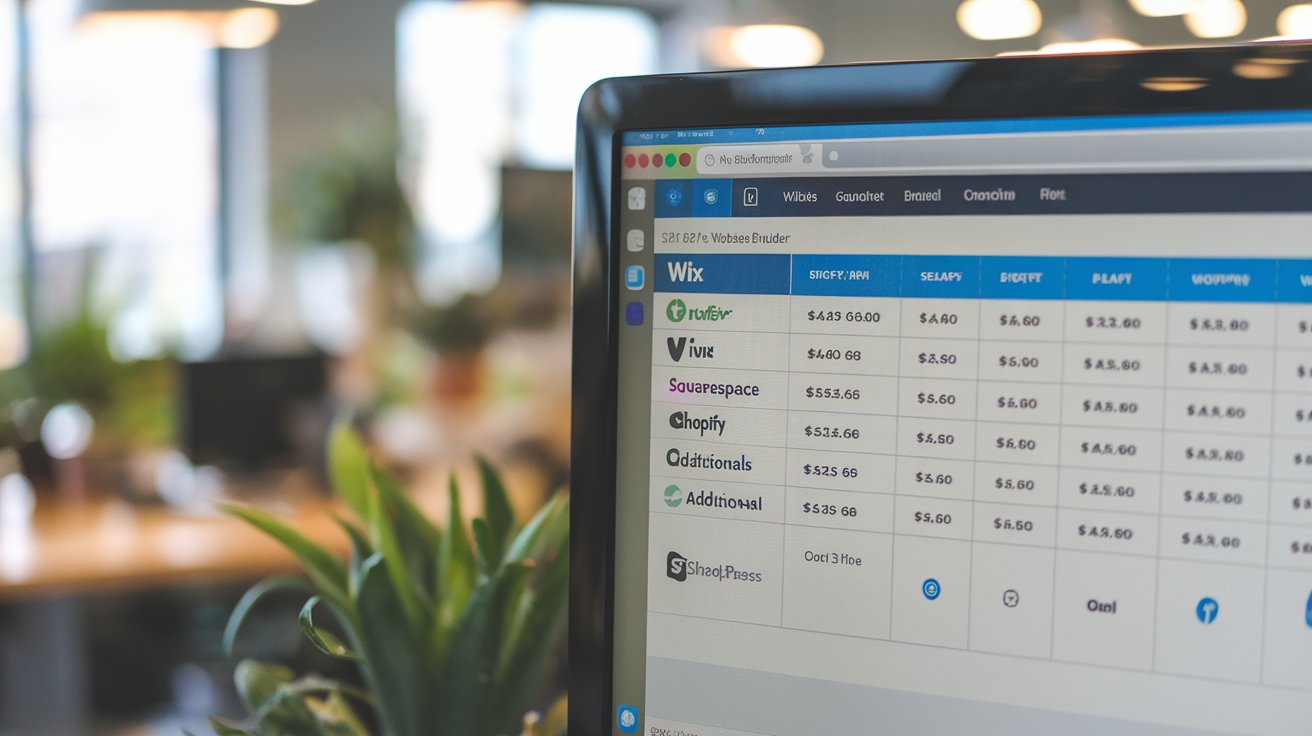
Small businesses wondering I need a website for my small business but concerned about costs have multiple accessible options in 2026. Professional website builder platforms like Wix, Squarespace, and WordPress power over 60% of small business sites, offering templates, drag-and-drop editing, and integrated marketing tools starting under $20 monthly. These solutions eliminate technical barriers while providing professional results suitable for most businesses without custom development budgets.
Those researching how to create a website for free should understand limitations of truly free platforms, including restricted functionality, platform branding, and inability to use custom domains. Free tiers work for hobby projects but undermine professional credibility. Budget-conscious businesses achieve better results with entry-level paid plans offering custom domains, SSL security, and customer support. The $15-30 monthly investment generates returns through increased credibility alone, before considering lead generation and sales capabilities.
Is Having a Website Still Worth It in 2026
The value proposition for having a website strengthens annually as consumer behavior shifts increasingly online. Return on investment averages 300-500% for businesses with optimized sites actively driving traffic through SEO and content marketing. Unlike traditional advertising with temporary impact, your website appreciates in value as content accumulates, search rankings improve, and domain authority increases. Businesses investing $3,000-5,000 in professional site development typically recover costs within 3-6 months through increased conversions.
The question is it still worth it to have a website assumes declining relevance, but data shows opposite trends. Mobile internet usage continues growing, voice search adoption increases, and online purchasing becomes standard across all demographics including seniors. Your website reaches customers in moments of high purchase intent when they actively search for solutions, unlike interruptive social advertising. This intent-based discovery makes websites the most cost-effective customer acquisition channel for most business categories.
Finding Opportunities in Website Development
Entrepreneurs researching how to find people that need websites discover massive opportunities serving the 47% of small businesses still without web presence. Finding local businesses that need websites involves simple observation of service providers, retailers, and professionals relying solely on social media or outdated Yellow Pages listings. Cold outreach, networking events, and partnership with business associations connect web developers with clients desperately needing digital transformation but lacking technical knowledge.
The companies that need a website most urgently include established businesses losing market share to digital competitors, new ventures launching without online presence, and growing businesses outgrowing basic social profiles. Service providers can demonstrate value through competitive analysis showing how prospects’ competitors rank in search results and capture online leads. The website services market continues expanding as technology evolves, requiring ongoing updates, maintenance, and optimization that create recurring revenue opportunities for developers and agencies.
Common Concerns About Website Ownership
Business owners hesitate on website investment due to perceived complexity, cost concerns, and maintenance requirements. Modern platforms address these barriers through intuitive interfaces requiring no coding knowledge, affordable monthly subscriptions replacing expensive custom development, and automated updates handling security and functionality. The learning curve for basic site management has decreased dramatically, with most business owners mastering essential tasks within hours rather than weeks.
Concerns about ongoing maintenance prove less burdensome than anticipated, with monthly time investment averaging just 2-3 hours for content updates and inquiry responses. Automated plugins handle technical updates, security monitoring, and backup processes. For businesses preferring complete delegation, maintenance services cost $50-200 monthly depending on complexity. This minimal investment protects the larger website asset while ensuring optimal performance, security, and search visibility that directly impacts revenue generation.
Related video about do i need a website
This video complements the article information with a practical visual demonstration.
Your questions answered
Do you really need a website anymore in 2026?
Yes, websites are more necessary than ever in 2026. While social media platforms exist, 97% of consumers search online for local businesses, and 84% consider companies with websites more credible than those without. Your website is the only digital asset you completely control, immune to algorithm changes, platform policies, or account suspensions. Businesses without websites lose an average of 35% of potential customers who won’t engage through social media alone, making web presence essential for competitive survival.
Is it still worth it to have a website for small businesses?
Website ownership delivers 300-500% return on investment for small businesses through increased credibility, lead generation, and sales. The average small business website costing $3,000-5,000 recovers investment within 3-6 months through conversions. Unlike temporary advertising, your site appreciates in value as content accumulates and search rankings improve. With 62% of small businesses generating over half their revenue through website conversions, the question isn’t whether it’s worth it, but how quickly you can launch to avoid losing more opportunities to competitors.
Do you really need a professional website or can you use free options?
While free website builders exist, professional paid options deliver significantly better results. Free platforms impose limitations including platform branding, restricted functionality, inability to use custom domains, and poor SEO capabilities. These restrictions undermine credibility and conversion potential. Entry-level paid plans costing $15-30 monthly provide custom domains, SSL security, professional templates, and support that generate returns through increased trust and conversions. Businesses investing in professional sites achieve 32% higher conversion rates than those using free or outdated platforms.
What happens if 88% of users are less likely to return after a bad website experience?
The statistic that 88% of users won’t return after a bad website experience emphasizes quality’s critical importance. Poor design, slow loading, broken links, or confusing navigation permanently lose potential customers who share negative experiences with others. First impressions form within 0.05 seconds, with 94% based on design and functionality. This underscores the need for professional development or quality templates rather than rushed, amateur sites. Investing in user experience, mobile optimization, and fast loading times prevents the permanent customer loss that bad experiences create.
How do I find local businesses that need websites?
Identifying local businesses needing websites involves observing service providers relying only on social media, outdated Yellow Pages listings, or word-of-mouth. Search Google for local services and note businesses appearing only in map listings without website links. Attend networking events, chamber of commerce meetings, and business association gatherings to connect with owners lacking digital presence. The 47% of small businesses still without websites represent massive opportunities. Demonstrate value through competitive analysis showing how their competitors rank in search results and capture online leads they’re missing.
Can I create a website for my small business myself or hire professionals?
Both options work depending on budget, timeline, and technical comfort. DIY website builders like WordPress, Wix, and Squarespace enable business owners to create professional sites without coding knowledge, with templates and drag-and-drop editing starting under $20 monthly. This works well for straightforward businesses with time to learn. Complex businesses, e-commerce requiring custom functionality, or owners preferring to focus on operations benefit from hiring professionals. Professional development costs $3,000-10,000 but delivers optimized results faster, with ongoing support ensuring technical excellence while you focus on running your business.
| Website Benefit | Key Statistics | Business Impact |
|---|---|---|
| Credibility | 84% of consumers trust businesses with websites more than social-only presence | Higher conversion rates and customer confidence |
| Lead Generation | 67% more leads for businesses with content marketing strategies | Continuous customer acquisition without ongoing ad spend |
| Revenue Growth | 62% of small businesses generate over half revenue through website conversions | 24/7 sales capability and market expansion |
| Competitive Advantage | Businesses with websites win 73% more often in competitive comparisons | Market differentiation and professional positioning |
| ROI | 300-500% average return on investment within first year | Cost recovery in 3-6 months with ongoing value appreciation |
| Customer Reach | 97% of consumers search online for local businesses and services | Visibility when customers actively seek solutions |